
President Trump has sharply escalated pressure on Cuba in the wake of the United States’ military operation that resulted in the capture of Venezuelan leader Nicolás Maduro earlier this month. In a TruthSocial post reposted by the White House, Trump declared that Cuba will no longer receive any Venezuelan oil or financial support, a lifeline that has kept Havana afloat for years under its alliance with Caracas.
“Cuba lived, for many years, on large amounts of oil and money from Venezuela,” Trump wrote, asserting that Cuban “security services” for Venezuela’s dictators have ended and that Havana should “make a deal, before it is too late.”
“…THERE WILL BE NO MORE OIL OR MONEY GOING TO CUBA – ZERO! I strongly suggest they make a deal, BEFORE IT IS TOO LATE. Thank you for your attention to this matter.”- President Donald J. Trump pic.twitter.com/bHEIysJ7q1
— The White House (@WhiteHouse) January 11, 2026
Venezuela’s collapse as Cuba’s key ally represents a seismic change in global politics. For decades, Caracas subsidized Havana with oil and cash support that underpinned Cuba’s economy, energy grid, and social services. That arrangement frayed as Venezuela’s own economy tumbled into crisis, and it collapsed entirely with the U.S. operation against Maduro, which dramatically rewrote the power dynamics in Latin America.
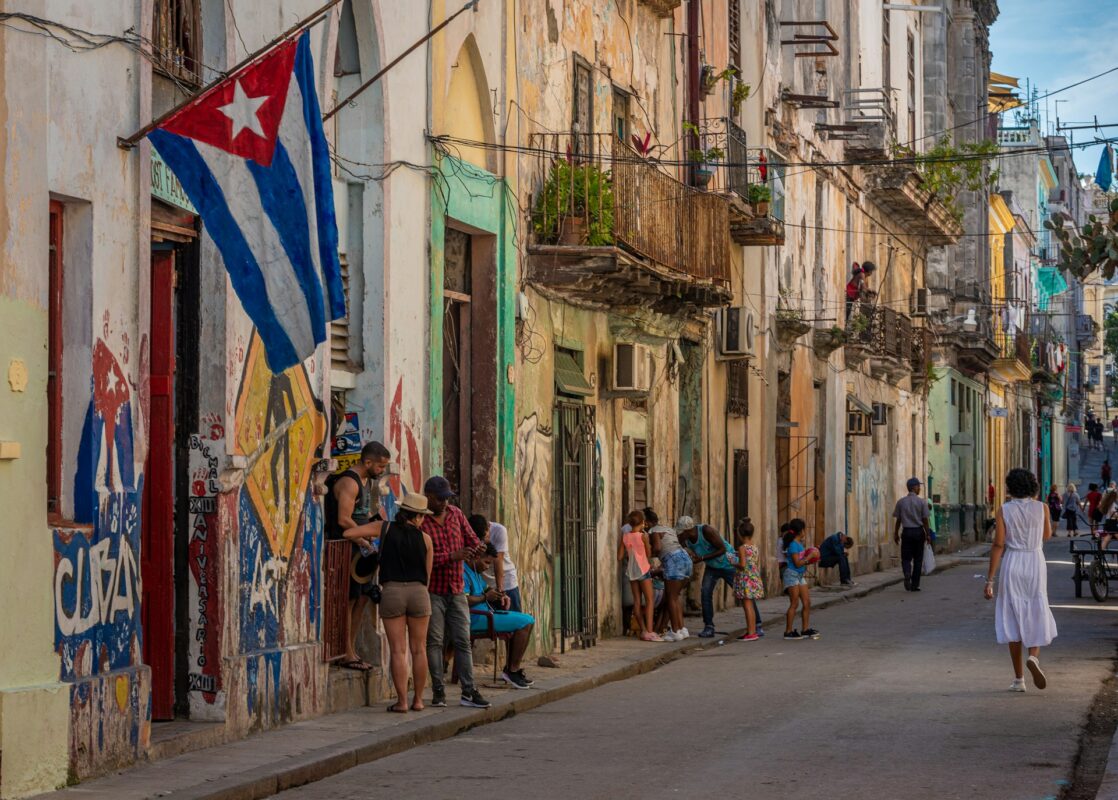
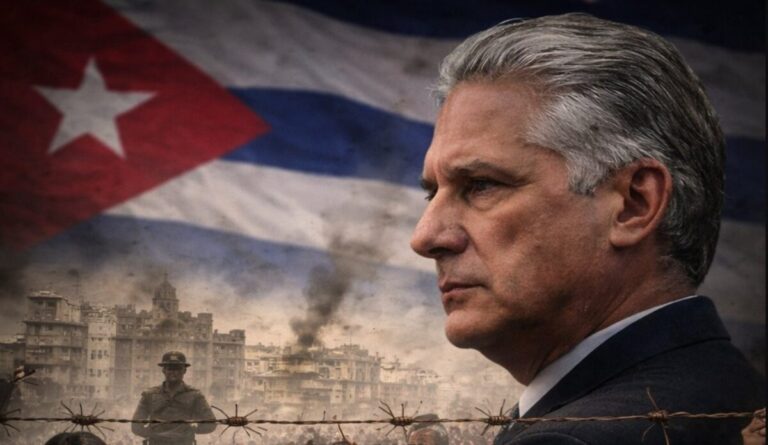
Trump’s ultimatum comes at a moment when Cuba is already perilously strained. The island nation has been grappling with widespread blackouts, shortages of basic goods, and economic contraction — conditions that have intensified since the disruption of Venezuelan oil shipments. Cuban officials, including President Miguel Díaz-Canel, have rebuked Trump’s rhetoric, insisting Cuba is sovereign and will not bow to U.S. pressure.
Analysts are now debating whether Cuba’s government will be able to withstand the combined impact of losing its historical benefactor and facing renewed U.S. hostility. Trump and his supporters argue that the Cuban regime is on the verge of collapse and that Havana may be forced into negotiations or reform as its economy deteriorates without the Venezuelan subsidy.
Some reporting suggests that this development could signal the unraveling of a broader network of authoritarian alliances in the Western Hemisphere. Cuba’s close ties with Venezuela, and previously with Nicaragua, formed what U.S. policymakers have long called a bloc of influence opposed to American interests. With Venezuela’s government now dismantled, Cuba stands exposed both economically and politically.
Critics of Trump’s approach warn that heightened rhetoric and economic coercion could further destabilize the region, but supporters argue that cutting off Venezuela’s support for Cuba removes a significant pillar of Havana’s endurance. That debate is now unfolding as Cuba faces increasing uncertainty and as regional powers watch how the United States asserts influence following the Maduro operation

Leave a Comment