
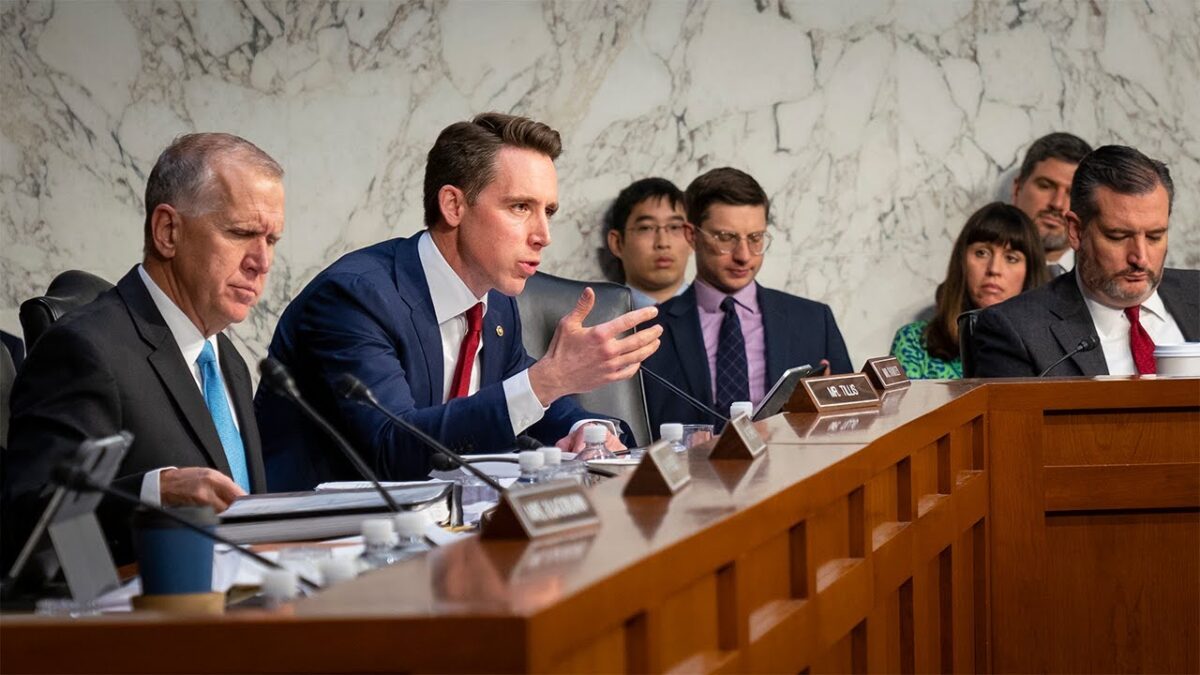

Senator Josh Hawley’s sudden flip on a high-stakes war powers resolution has thrown the Senate’s handling of President Trump’s military posture in Venezuela into sharp relief. The resolution, introduced by Democratic Senator Tim Kaine, was designed to force President Trump to secure Congressional authorization before engaging in any future hostilities within or against Venezuela, a move that gained attention after U.S. forces captured Venezuelan leader Nicolás Maduro in a surprise raid earlier this month.
Last week, Hawley was one of five Republican senators who joined all Senate Democrats in voting to advance the resolution. That bipartisan push suggested a rare bipartisan concern on Capitol Hill about unchecked presidential authority and weak legislative oversight when it comes to military engagements abroad. But on Wednesday that momentum collapsed when Hawley, along with Senator Todd Young of Indiana, reversed course at a critical moment, helping Republicans kill the resolution by a razor thin 51-50 margin after Vice President JD Vance cast the tie-breaking vote.
Hawley defended his reversal by saying he had received assurances from Secretary of State Marco Rubio and other senior officials that there are no plans to deploy U.S. ground troops to Venezuela and that any major future use of military force would involve Congressional consultation. That assurance, he said, satisfied his constitutional concerns about the legislature’s role in decisions that could lead to war.
With regard to Venezuela, my read of the Constitution is that if the President feels the need to put boots on the ground there in the future, Congress would need to vote on it. That’s why I voted yes on this morning’s Senate resolution.
— Josh Hawley (@HawleyMO) January 8, 2026
President Trump reacted with predictable fury to the initial vote to advance the resolution, blasting the five Republicans who broke ranks and urging that they should not be reelected. He described the measure as an attempt to strip him of his authority to defend the nation and argued that the War Powers Act itself violates Article II of the Constitution by restricting the Commander in Chief’s prerogatives. In the days that followed, he and senior administration officials applied heavy pressure on Republican defectors to pull back their support.
Hawley’s change of heart comes in that broader political context. After speaking with Trump and receiving those public and private assurances about troop deployments, he chose to align with Republican leadership and the White House. That decision effectively undercut the bipartisan rebuke of the president’s actions and maintained Trump’s ability to act without advance Congressional approval, at least for now.
Critics of the failed resolution, primarily Senate Democrats, argue that allowing Trump unfettered military authority sets a dangerous precedent and erodes the Constitutional balance of power. Supporters contend that in the absence of active hostilities and with assurances about troop commitments, additional legislation was unnecessary.

Leave a Comment